Why a Custom Car Wrap Beats Paint for Style and Protection
I have spent years around cars, from restoring old classics to helping owners personalise their daily drivers. A few months ago, a client in Singapore brought in a five-year-old sedan with peeling clear coat and a few dings. He wanted a fresh look but did not want to spend weeks in a body shop. After a long chat about options, he decided on a vinyl wrap instead of a respray. Six months later, he sent me a photo of the car parked at East Coast Park, still looking as sharp as the day we finished. That experience reminded me why a custom car wrap can be the smarter move for many owners.
What Makes a Custom Car Wrap Different
A custom car wrap is not just a sticker slapped onto a panel. It is a precisely cut, multi-layer system of vinyl and adhesive engineered to conform to every curve, recess, and edge of a vehicle. The material itself is usually cast vinyl from brands like 3M, Oracal, or Avery Dennison, which means it stretches and shrinks with temperature changes without lifting. Unlike automotive paint, which bonds chemically to the metal or plastic, a wrap sits on the surface as a protective skin. That distinction matters for anyone who plans to keep their car for a few years or wants to change the colour again down the road.
The best wraps start with a digital preview of your actual car. You upload photos or use a tool that maps the design onto the exact model. This step lets you see how a colour shift pattern will look across the hood or how a carbon fibre section wraps around the side mirrors. Getting that preview before committing to a full install saves a lot of guesswork and regret. I have seen owners change their mind entirely after seeing the digital mockup, choosing a chameleon wrap instead of the solid matte they originally wanted.
Vinyl Wrap Versus Paint: The Trade-Offs
Automotive paint has its place. A high-quality spray job can last a decade if cared for. But it is permanent, expensive, and difficult to reverse. If you decide you want a different colour next year, you are looking at sanding, primer, and another full paint job. A custom car wrap, on the other hand, is fully removable. Wrap removal leaves the original paint underneath untouched, provided the surface was in good condition before application. That means you can return the car to stock for resale or for a fresh design.
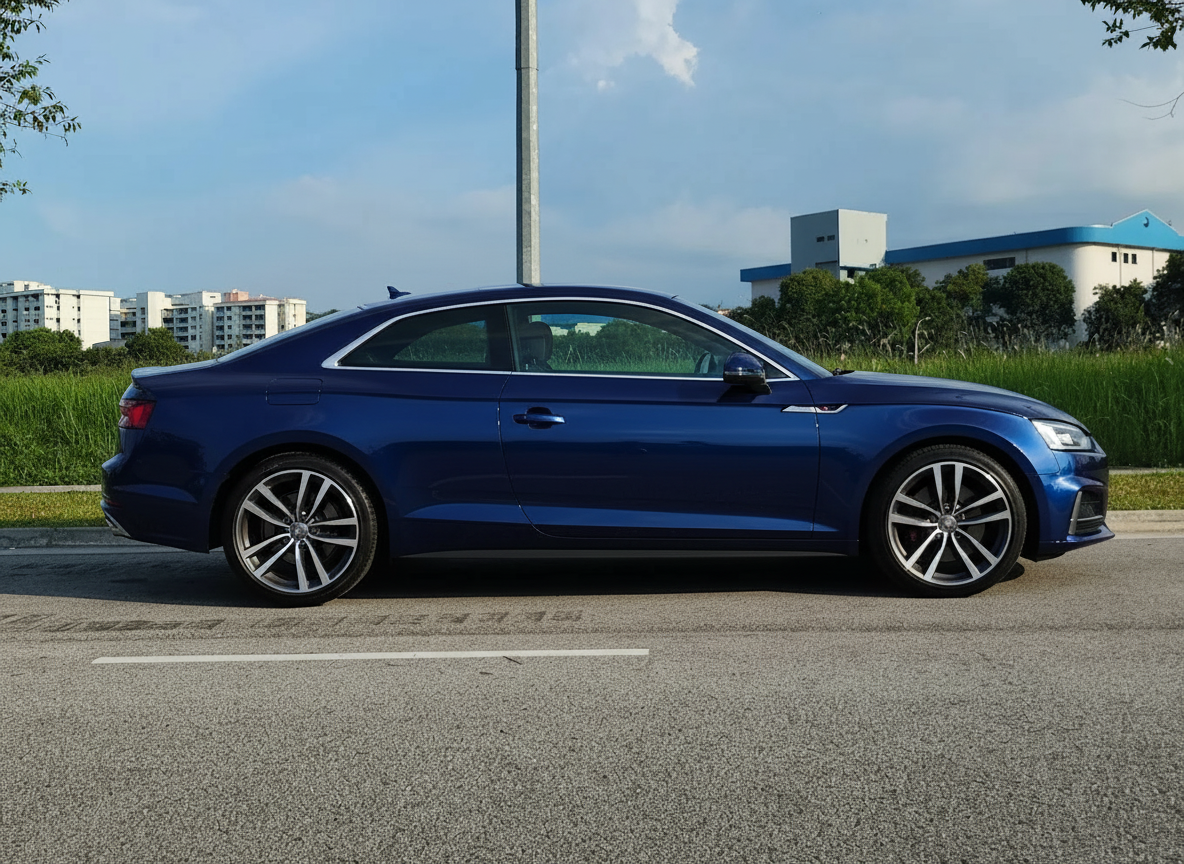
Cost also tilts in favour of wrapping for many owners. A full paint job in Singapore can run several thousand dollars depending on the shop and the paint line. A wrap typically costs less, especially for complex finishes like gloss finish metallics or matte finish pastels. And because the vinyl is laminated with a clear top layer, it resists UV rays and minor scratches better than many single-stage paints. Lamination adds a few years to the life of the wrap, which is why professional installers always recommend it.
But there are limits. A wrap will not hide deep scratches or rust. If your car has significant body damage or poor original paint, the wrap will telegraph those flaws. The installer can sometimes work around them, but the result will not be as smooth. This is why a good wrap installer starts by inspecting the car and being honest about what a wrap can and cannot fix.
Materials Matter: Oracal, Avery Dennison, and 3M
Not all vinyl is the same. The three brands I see most often in professional shops are Oracal, Avery Dennison, and 3M. Each has its own lineup of films designed for vehicle wrapping. Oracal 970RA series, for example, offers a wide range of colours with a gloss finish that holds up well in tropical sun. Avery Dennison Supreme Wrapping Film is known for its air-release channels, which make installation faster and reduce bubbles. 3M Controltac with Comply adhesive is the industry standard for many large format vehicle branding projects. It is forgiving during installation but still bonds firmly once set.
The choice of vinyl affects how the wrap looks and how long it lasts. A cheaper calendared vinyl might save money upfront, but it will shrink and crack within a year, especially in Singapore's humid climate. Cast vinyl, which all three of those brands produce, is the only type that should be used for a full vehicle wrap. It conforms to complex curves without pulling away from edges.
The Role of the Heat Gun
The heat gun is one of the most important tools in the installer's kit. It softens the vinyl so it can stretch over compound curves like the front bumper or around door handles. Without controlled heat, the material would tent or crease. An experienced hand knows exactly how much heat to apply and when to stop. Too much heat and the vinyl can shrink back or burn. Too little and it will not conform. This is not a DIY job for most people. The difference between a professional wrap and a backyard attempt is obvious in the final finish.
Finishes That Change the Game
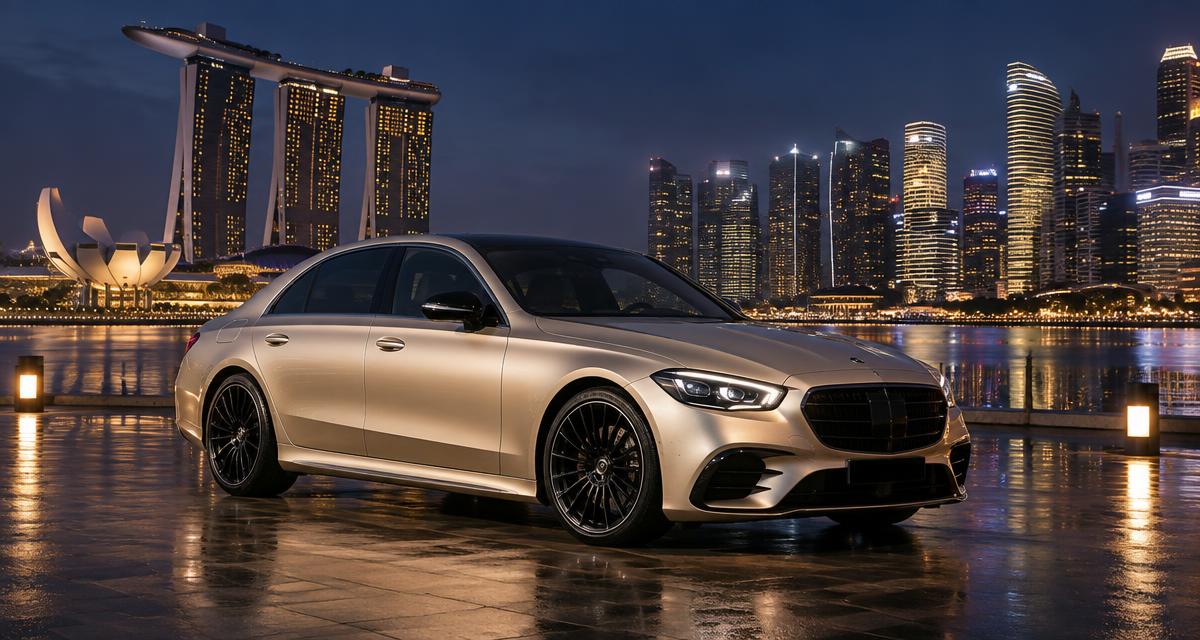
One of the biggest draws of a custom car wrap today is the variety of finishes that automotive paint simply cannot replicate easily. Colour shift films change hue depending on the viewing angle and the light. A chameleon wrap might look green from one side and purple from another. Carbon fibre textures give a technical, race-inspired aesthetic without adding weight. Matte finish wraps eliminate reflections and give the car a flat, almost velvety appearance that stands out on the road.
Gloss finish remains the most popular choice because it mimics a well-maintained paint job. But even within gloss, there are options like metallic flakes, pearlescent tones, and satin clear coats that change the depth of the colour. The lamination layer on top of the coloured vinyl also affects the final sheen. A high-gloss laminate makes the colour pop, while a satin laminate tones down the shine for a more understated look.
Vehicle branding is another area where wraps excel. Businesses can wrap a fleet of cars with logos, contact information, and graphics that turn each vehicle into a moving billboard. The vinyl is durable enough to withstand car washes and road debris, and when the branding changes, the old wrap comes off cleanly. This is far less disruptive than repainting a fleet every few years.
Practical Considerations for Singapore Owners
Living in Singapore, you deal with intense sun, frequent rain, and high humidity. These conditions test any exterior finish. A quality vinyl wrap with proper lamination handles the climate well, but it does require some care. Parking in the shade or using a car cover helps extend the life of the wrap. Hand washing with a mild soap is safer than automatic car washes with abrasive brushes. And if you notice a small edge lifting, a visit to the installer for a quick heat-gun touch-up can prevent the whole panel from peeling.
Wrap removal is also straightforward when done correctly. The installer uses heat to soften the adhesive and peels the vinyl off in sections. Any residue is cleaned with a specialised solvent. The underlying paint should be in the same condition as when the wrap was applied. This is one reason why a wrap is a good option for leased cars or for owners who change their mind often.
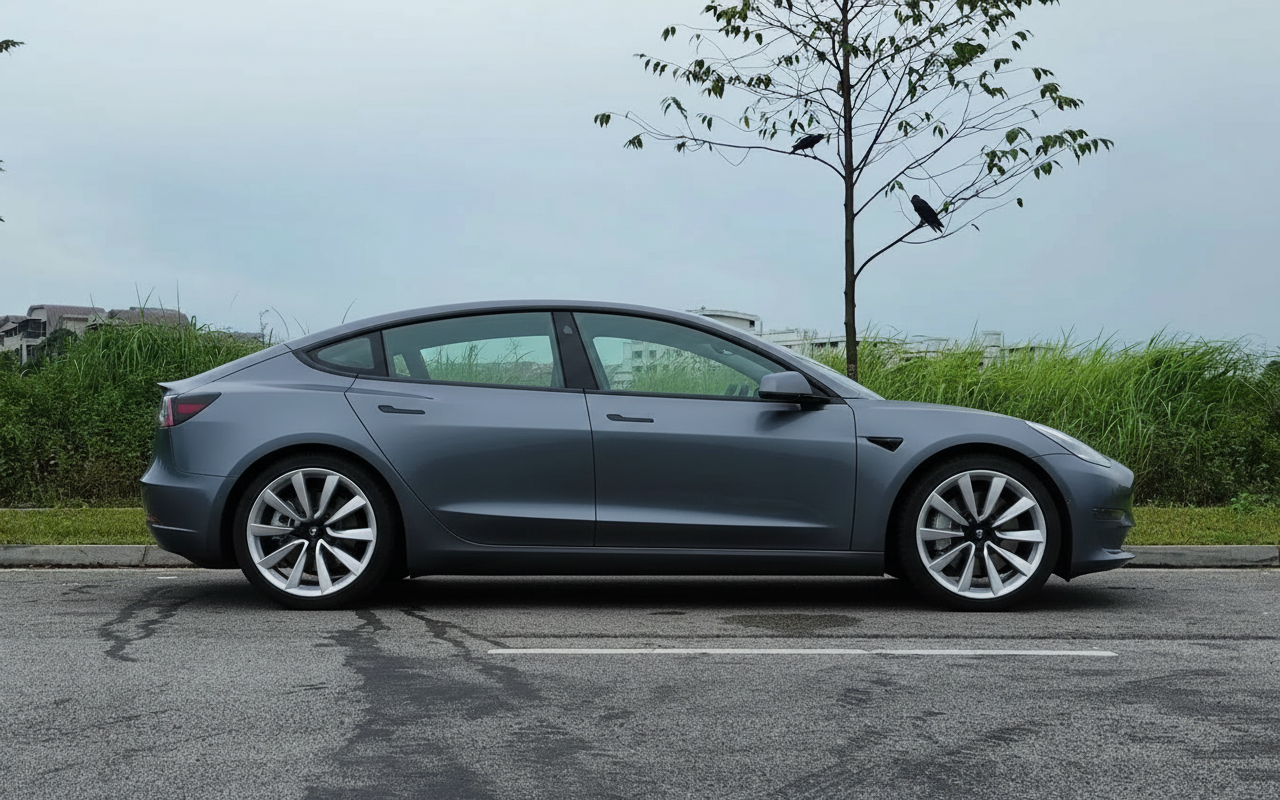
Getting started is simple. Most reputable studios offer a free quote after you submit photos of your car and describe the look you want. Some even provide a digital preview so you can see the design on your own car before paying a cent. That preview alone can save you from choosing a colour that looked good in a swatch but does not suit the car's lines.
Final Thoughts on Custom Wraps
I have seen wraps transform ordinary cars into something their owners genuinely love driving. The process is fast, reversible, and offers a level of personalisation that paint struggles to match. Whether you want a subtle matte grey or a loud colour shift that turns heads at a meet, a custom car wrap gives you that freedom without locking you into a permanent decision. The technology behind the materials and the skill of the installer are what make it work. If you are considering a change for your car, take the time to look at a few examples, get a free quote, and see a digital preview of your own vehicle. It might surprise you how much a wrap can change the experience of owning a car.